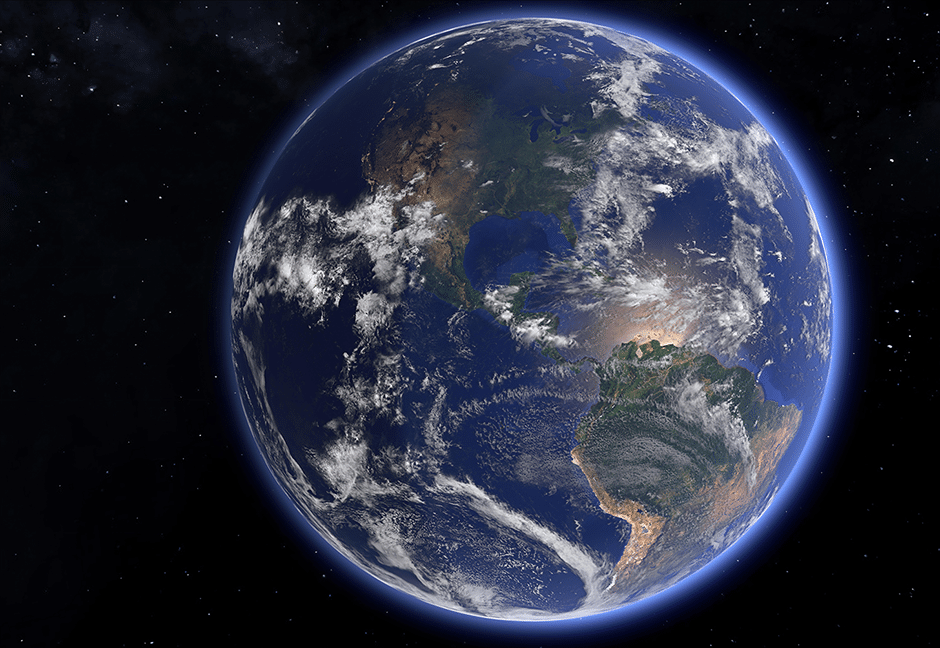
It has been 49 years since the first Earth Day. A lot has happened in that period of time, much related to the earth’s nations coming to grips with the fact that all of our existence depends upon the health of the earth and the services it provides. It took 46 years for those nations to pass the Paris Agreement on Climate Change, recognition of the fact that the Earth’s health is at risk due to man-made activities that spew almost 40 billion metric tons of CO2 into the atmosphere a year. With the global average atmospheric CO2 level at over 405 parts per million, carbon dioxide levels today are higher than at any point in at least the past 800,000 years. Concurrent with this, the loss of biodiversity is accelerating, estimated to be 1000 times the background extinction rate. We have seen species after species, all with a unique and vital role to play in the planet’s ecosystem, simply become extinct. Bees are next on the list of high profile ecosystem services to become endangered.
In the midst of this, most corporations are stepping up to the challenge of addressing the necessity of practicing sustainable development. They know the financial benefits of designing sustainable products and services, eliminating waste, and embracing the change needed to stay competitive. Still, we have government leaders who make a mockery of the world’s concerns, rolling back emissions and other environmental standards under a “US First” policy aimed at putting short term profits before long term sustainability. However, young people all over the world know different. They are demonstrating their sense of purpose and are demanding action from their government whose taxes they pay and from the corporations whose products they patronize.
The process of designing, manufacturing, distributing and servicing sustainable products and services is changing. The old ways are giving way to new methods associated with a completely digitized development process, with materials choices being made on the basis of a far more comprehensive set of requirements than in the past. Barriers to entry are being lowered in almost every industry, as new business models are enjoying the benefits of open sourcing of ideas, software, hardware, standards and cash. For more information on sustainable systems and the use of open sourcing in product development, drop me a line.